
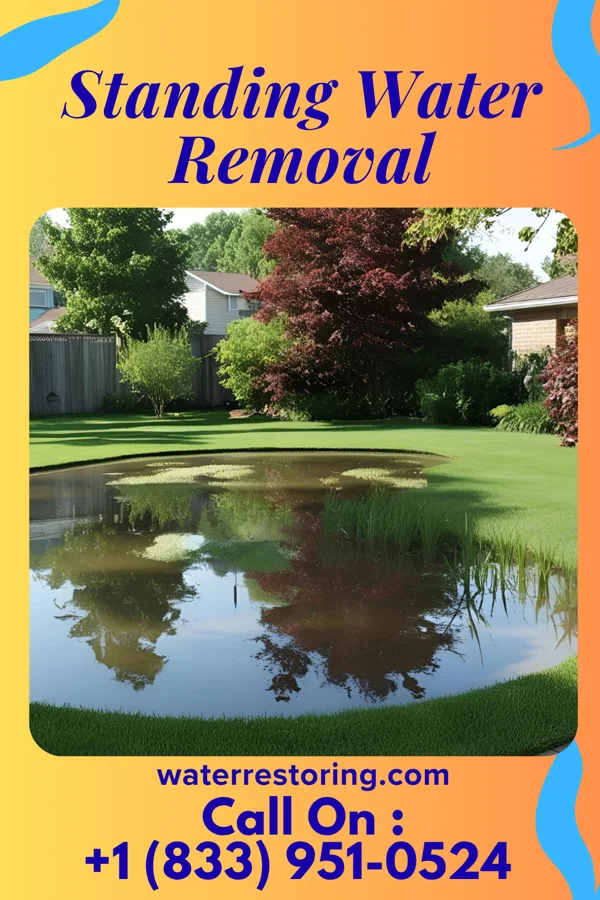
Longview Heights Standing Water: What Owners Should Know
Residential or commercial, water damage emergencies in Longview Heights keep coming back to the same drivers. In Longview Heights, Washington, the primary cause of water damage is often due to heavy rainfall and flooding, especially during the spring and winter months when the region experiences frequent storms. Additionally, nearby areas like Beacon Hill and Lexington can contribute to localized flooding, impacting residential and commercial properties. sits at the top of the list. A close second is Secondary causes include leaking roofs, plumbing failures, and sewer backups, which are common in the rural areas of Cowlitz County. Poor drainage systems in some neighborhoods also exacerbate water accumulation during heavy rains..
Longview Heights is situated in a region with a temperate climate, but its proximity to rivers and low-lying areas increases the risk of water intrusion. The area is also prone to seasonal flooding, which can lead to significant water damage if not addressed promptly.
Water damage in Longview Heights follows a few local patterns. In Longview Heights, Washington, the primary cause of water damage is often due to heavy rainfall and flooding, especially during the spring and winter months when the region experiences frequent storms. Additionally, nearby areas like Beacon Hill and Lexington can contribute to localized flooding, impacting residential and commercial properties. accounts for the bulk of our calls. Longview Heights is situated in a region with a temperate climate, but its proximity to rivers and low-lying areas increases the risk of water intrusion. The area is also prone to seasonal flooding, which can lead to significant water damage if not addressed promptly. Mold growth can occur quickly in Longview Heights due to high humidity and frequent rainfall, making it critical to address water damage within 48 hours to prevent health risks and structural damage.
For public guidance on the health effects of mold after prolonged water exposure, see the EPA mold and health page.